Word For Mac, How To Hide Preview Text When Printing
In their ancient wisdom, the Romans were fond of reminding themselves that, while the spoken word is ephemeral, its written counterpart lasts forever. In the modern world, however, putting pen—or printer—to paper may no longer be the best way of preserving a document for all eternity. Today, having computers and the Internet at our disposal means that digital formats have replaced paper, papyrus, and stone tablets as our primary ways of storing and exchanging documents. The most popular instrument used for this purpose is probably the Portable Document Format, which is known to most people simply by its initials, PDF. Developed by Adobe and, the format is designed to allow any number of completely unrelated computers of any platform to display a document while preserving all of its typographical and layout information, including fonts and images. How to use keynote for mac. In principle, a PDF document should look and print exactly the same way on any computer, regardless of where it was created.
Mac How To Hide Folder
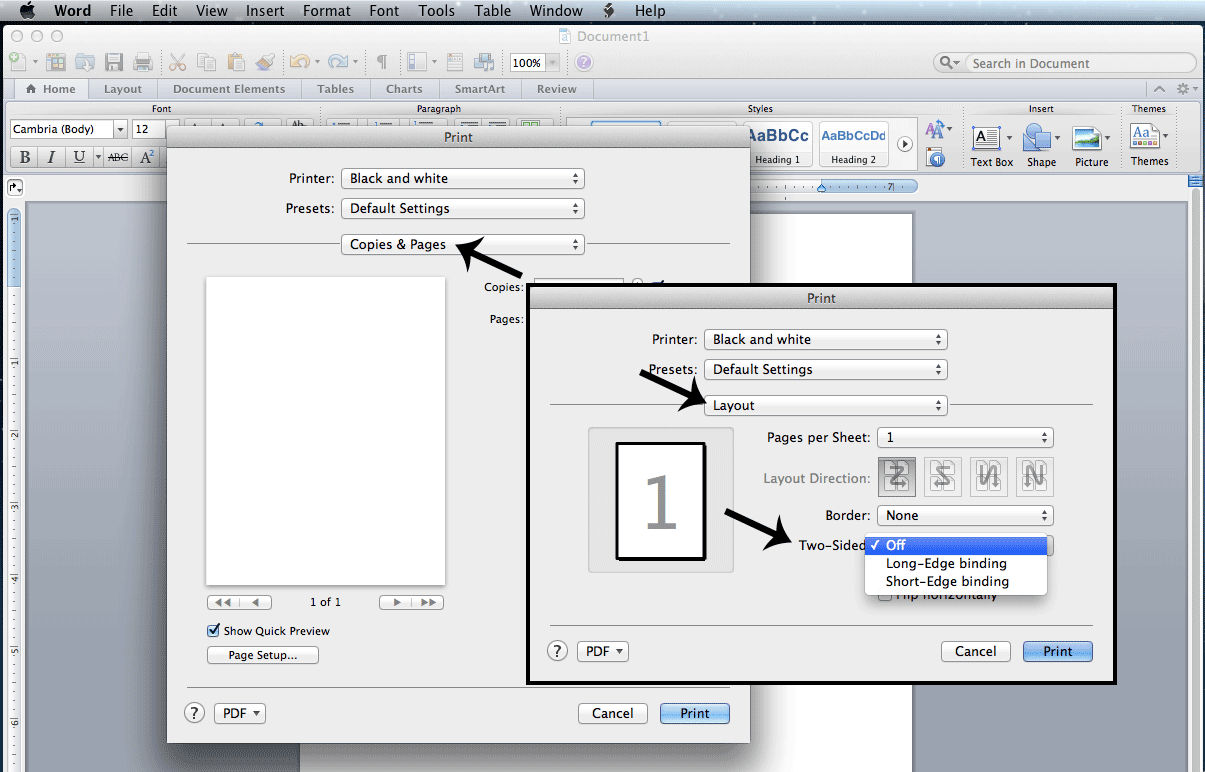
Microsoft office for home and student 2010. Or from the Word Menu Bar choose File > Page Setup or File > Print > Page Setup As for Print Preview it can be accessed from the Menu Bar under File > Print > Preview. You will note that Print Preview is now Apple's OS X Preview app. Erm, you can change some text to 'hidden' using the font properties - this will then initially make it vanish from screen and print. If you go to the options screen (tools>options) on the View tab there is a checkbox for hidden text - if you enable this (i.e. Tick it) then the hidden text will appear on-screen, with an underline. To print with no margins MS Word Mac OS X: - Open your Word document and go to Page Setup - Click Paper Size, choose Manage Custom Sizes and change your paper size by clicking add a custom paper size.
Mac How To Hide Drives
Mac How To Hide Taskbar
While Adobe still maintains the official PDF specification, the format itself is open and can be adopted by anyone without having to pay royalties. As a result, it is widely used across all platforms; in fact, Apple has built the ability to generate and manipulate PDF files directly into OS X’s Quartz framework, which has also made its way into the mobile iOS, thus making the format a first-class citizen for all Mac and iPhone/iPad users. Printing to PDF Because PDF support is built right into the operating system, OS X’s printing system gives applications the ability to “print” a file directly to PDF. In practice, this means that any application that supports printing is capable of generating a PDF file that can be saved, e-mailed, or faxed to a third party. To take advantage of this feature, all you need to do is have your application print a document and then, instead of proceeding with the print operation, choose one of the options from the PDF menu. As you have probably already figured out, the Save as PDF command results in the document being “printed” to a PDF file that is stored in a location of your choosing, while the Mail PDF option generates the PDF file and then automatically attaches it to a new message inside Apple's Mail program. Adobe acrobat 11 free download. PDF support is built right into the OS X operating system. The Save as PDF-X item may sound intimidating (it’s probably that extra X), but it only differs from the standard PDF generation option in that it creates a file of the output format mandated by the International Organization for Standardization and designed to facilitate the exchange of graphical documents.